How Aggregated Player Data Reveals Patterns in Free Spin Allocations Tied to Specific Game Providers and High Roller Payment Preferences
Analysts examining large datasets from online gaming platforms have identified consistent connections between free spin distributions and the game providers featured in casino libraries, while payment choices among high-volume players appear to shape those same allocations over time.
Data Collection and Aggregation Methods
Operators compile transaction records, bonus redemption logs, and provider-specific engagement metrics from thousands of accounts, then feed those details into centralized systems that strip away personal identifiers before analysis begins; researchers at institutions tracking iGaming trends note that this process gained momentum after regulatory updates in several jurisdictions took effect during 2025, with further refinements reported through September 2026.
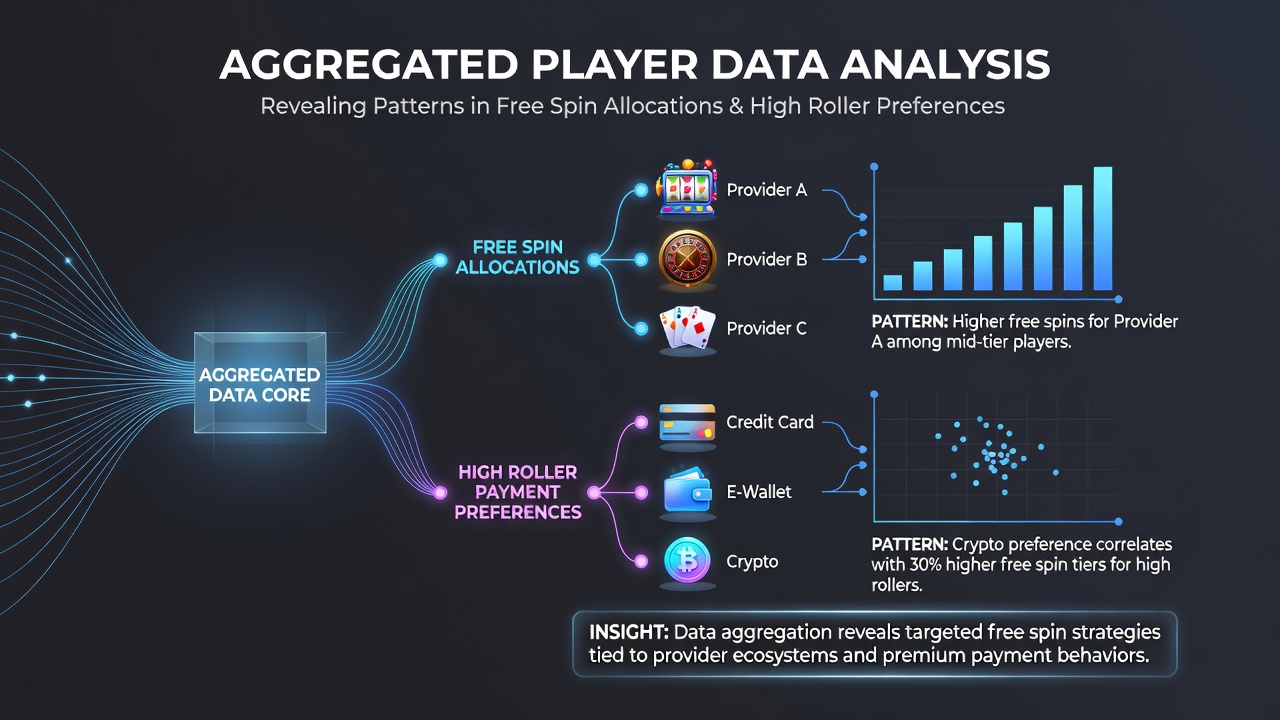
Payment method data gets grouped alongside spin activity because high rollers frequently select options such as bank transfers, e-wallets, or digital currencies, and those selections correlate with distinct bonus patterns when cross-referenced against provider catalogs.
Patterns Linked to Game Providers
Certain providers show higher rates of free spin offers attached to their titles when player cohorts favor slots with progressive jackpots or branded content, whereas table game specialists receive fewer spin-based incentives but more deposit-match promotions instead; aggregated figures from multiple platforms reveal that NetEnt and Playtech titles, for instance, appear more often in automated spin campaigns aimed at mid-tier accounts, while Evolution and Pragmatic Play content surfaces in targeted offers for live-dealer enthusiasts.
One study of European market data indicated that providers releasing new mechanics every quarter tend to receive elevated free spin allocations during launch windows, especially when those mechanics integrate with popular payment rails that high rollers already use.
High Roller Payment Preferences and Their Influence
High-volume players who route deposits through cryptocurrency networks receive spin bundles tied to volatility-heavy providers more frequently than those using traditional cards, according to transaction pattern reviews conducted across North American and Australian operators; the same datasets show that accounts favoring prepaid vouchers or instant bank transfers see allocations skewed toward providers with lower volatility ratings and steadier return-to-player percentages.
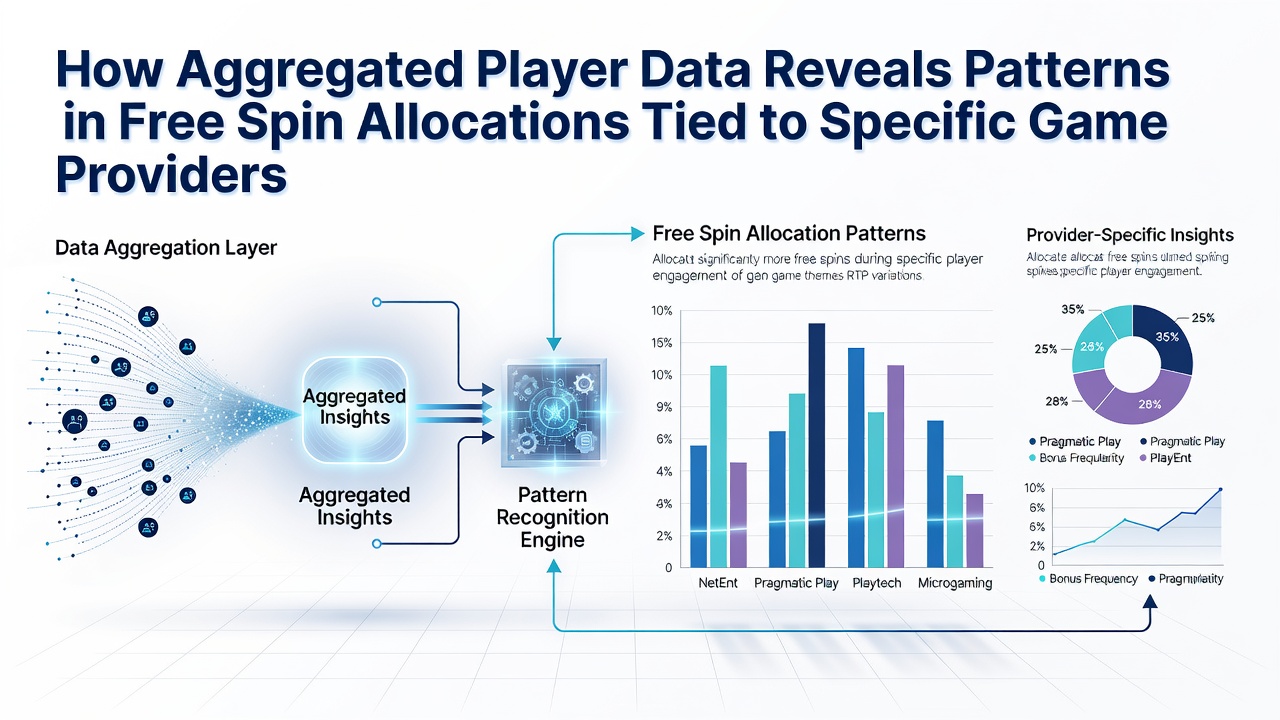
Payment speed also factors into the equation, because platforms prioritize spin campaigns that align with the settlement times of chosen methods, which in turn influences which provider libraries get promoted to those segments.
Regional Variations Observed Through 2026
Reports compiled by the European Gaming and Betting Association highlight that operators in regulated markets allocate spins differently based on local payment norms, with Scandinavian platforms showing stronger ties between instant e-wallet usage and specific slot providers, while Mediterranean markets demonstrate broader distribution across live casino suppliers when bank transfer volumes rise.
Canadian provincial data released in mid-2026 further illustrates how aggregated logs separate high-roller cohorts by preferred funding source, revealing that digital currency users encounter spin offers concentrated around providers known for high RTP slots, whereas card users see more balanced mixes that include both slots and table games.
Implications for Platform Strategy
Platforms adjust marketing automation rules once these patterns surface, routing free spin campaigns toward accounts whose payment histories match the provider profiles that historically convert at higher rates; observers tracking these adjustments note that the process relies on anonymized cohort analysis rather than individual profiling, which keeps operations aligned with data-protection standards across multiple regions.
Industry reports from research groups such as the International Center for Responsible Gaming confirm that such data-driven allocation continues to expand, with new variables like session duration and device type added to the models throughout 2026.
Conclusion
The connections between aggregated player data, free spin allocations, game providers, and high-roller payment preferences rest on observable transaction patterns that operators refine continuously, and those patterns remain visible in datasets extending through September 2026, offering a factual basis for understanding incentive distribution across different market segments.